Source Two Phase Hb Hybrid Stepper Motor for Printing, Automation, Robotics
Compare 24 two phase hb hybrid stepper motor options from verified Chinese suppliers. Review specifications like holding torque, current, and dimensions to find the right drive solution for your equipment needs; compare the available evidence and request quotations based on your requirements.
Key considerations
Products List






Comprehensive Sourcing Guide
Two Phase Hb Hybrid Stepper Motor Sourcing Guide
Sourcing two-phase HB hybrid stepper motors requires a disciplined approach to technical verification and supplier qualification. These motors are widely used in precision automation, where their hybrid construction offers a balance of torque density and positional accuracy. Buyers must navigate a market with significant variation in specifications, from holding torque to electrical resistance, to ensure the selected component matches their mechanical load and driver compatibility.
The procurement process begins with defining the exact operational envelope, including speed, current, and physical dimensions. Observed listings indicate a broad range of models, such as the 57HBP112AL4 and 28HS2A50-064, each with distinct electrical characteristics. Understanding these differences is critical for integrating the motor into existing control systems, particularly when matching the driver’s current output to the motor’s phase resistance and inductance values.
Product Scope and Observed Listing Signals
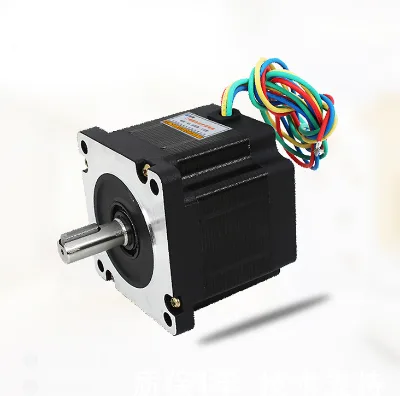
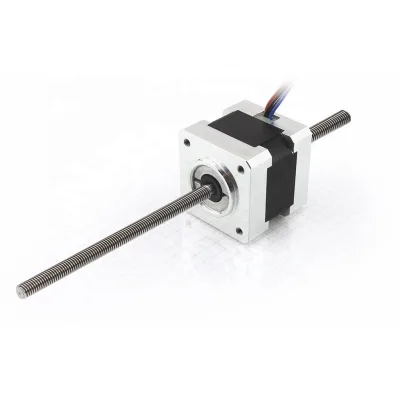
The market for two-phase HB hybrid stepper motors presents a diverse array of models, each tailored to specific mechanical and electrical requirements. Listings reveal significant variation in physical dimensions, with motor lengths ranging from 34mm to 50mm and widths around 57mm. These physical constraints directly impact the design of the host equipment, requiring buyers to verify mounting hole patterns and shaft diameters before finalizing a purchase order to ensure seamless integration.
Electrical specifications also vary considerably across different product lines. For instance, some models exhibit a holding torque of 10 N·cm with a phase current of 0.6A, while others offer 24 N·cm at 1.3A. Buyers must carefully cross-reference these electrical parameters with their driver capabilities, such as the Dm542 adapter driver, to prevent overheating or insufficient torque. The observed price range of $4.8 to $100,000 USD suggests that pricing is heavily influenced by torque output, precision class, and order volume, rather than being a uniform market rate.
Technical Specifications to Verify
Verifying the electrical parameters is the most critical step in ensuring motor compatibility with the intended application. Key attributes to confirm include the phase resistance, inductance, and rated current per phase. For example, a model with 0.85Ω resistance and 3.8mH inductance will behave differently under high-speed operation compared to one with lower inductance. Buyers should request detailed datasheets that specify these values to calculate the expected performance curve and ensure the motor can handle the required acceleration and deceleration profiles without losing steps.
Mechanical and thermal specifications are equally important for long-term reliability. The insulation grade, typically Class B, indicates the maximum operating temperature the windings can withstand. Buyers must also consider the temperature rise range, which may span from -40°C to +55°C, to ensure the motor functions correctly in the specific environmental conditions of the deployment site. Additionally, verifying the mass and weight, which can range from 180g to 1.7kg depending on the model, helps in assessing the inertial load on the driven mechanism.
Compliance and Safety Documentation
Safety and regulatory compliance are non-negotiable aspects of industrial procurement. Buyers must ensure that the supplied motors meet the relevant safety standards for electrical insulation and mechanical integrity. Documentation should include proof of insulation strength, such as 1000VAC at 50Hz for 1 minute with a leakage current of 1mA or less. This verification protects both the operator and the host equipment from electrical faults, ensuring that the motor can withstand transient voltage spikes common in industrial environments.
Certification status varies by manufacturer and region, with some suppliers providing ISO or CCC certifications. Buyers should explicitly request copies of these certificates to verify that the production facility adheres to recognized quality management systems. Furthermore, understanding the excitation mode, such as HB-Hybrid, and the number of stator phases is essential for ensuring that the motor’s control logic aligns with the existing firmware or PLC programming. Clear documentation of these compliance markers reduces the risk of regulatory non-conformance during final product audits.
Cost Drivers and Commercial Terms
The total cost of ownership for stepper motors is influenced by several commercial factors beyond the unit price. Minimum Order Quantities (MOQ) typically range from 1 to 1000 units, allowing for flexibility in initial prototyping or large-scale production runs. Buyers should negotiate pricing tiers based on volume, as higher quantities often result in significant discounts. Additionally, customization availability can impact cost, as tailored winding configurations or shaft modifications may incur setup fees or longer lead times.
Packaging and logistics also play a role in the overall expense. Products are commonly packed in polyfoam and cardboard cartons or on pallets, which affects shipping costs and handling requirements. Buyers should clarify whether the quoted price includes export packaging suitable for international freight, as improper packaging can lead to damage during transit. Warranty terms, ranging from three months to one year, should be clearly defined in the contract to protect against early failures and reduce the financial risk associated with defective units.
Supplier Qualification and Quality Control
Evaluating supplier capability is essential for securing a reliable supply chain. Buyers should prioritize manufacturers with a proven track record in producing two-phase HB hybrid stepper motors, as evidenced by their product range and technical documentation. Origin locations, such as Beijing or Changzhou in China, may indicate specific industrial clusters with specialized expertise. Verifying the supplier’s production capacity and quality control processes ensures that they can meet consistent quality standards across large orders.
Quality control measures should include routine testing of key performance indicators, such as holding torque and insulation resistance. Buyers may request sample units for independent testing to verify that the delivered products match the specified parameters, such as a holding torque of 9 N·cm ±10% or 16 N·cm. Establishing a clear communication channel for technical support and after-sales service is also crucial, as it facilitates quick resolution of any integration issues or performance discrepancies that may arise during the initial deployment phase.
Long-Term Procurement Checks
Long-term procurement success depends on establishing robust relationship management and continuous performance monitoring. Buyers should implement a system for tracking motor performance in the field, noting any deviations in torque, temperature, or noise levels. This data can be used to validate supplier quality over time and identify potential issues before they lead to widespread failures. Regular audits of the supplier’s quality management system can also help ensure that production standards remain consistent as order volumes increase.
Supply chain resilience is another critical consideration for long-term sourcing. Buyers should assess the supplier’s ability to maintain stock levels of critical components and their responsiveness to demand fluctuations. Diversifying the supplier base, where feasible, can mitigate the risk of supply disruptions. Additionally, staying informed about industry advancements in stepper motor technology can help buyers make informed decisions about future upgrades or replacements, ensuring that their equipment remains competitive and efficient in the evolving industrial landscape.
FAQs
What is the holding torque of the 57HBP112AL4 stepper motor?
The 57HBP112AL4 model provides a holding torque of 10 N.cm. This two-phase hybrid stepper motor features a 57mm width and 50mm length. It operates with a phase current of 4.2A and includes a 3-month to 1-year warranty. The unit weighs 1.7kg and is manufactured in Beijing, China.
Can I find two phase hb hybrid stepper motors with ISO certification?
Yes, certain models like the 28HS2A50-064 carry ISO certification. This variant offers a holding torque of 24 N.cm and weighs 220g. It is produced in Changzhou, China, and uses carton or pallets for packing. Buyers should verify specific certification documents with suppliers before ordering.
Which stepper motor model has a holding torque of 82 N.cm?
The 39hm2a34-124 Stepper Motor is listed with a holding torque of 82 N.cm. This two-phase hybrid unit operates with a phase current of 1.2A. It is designed for applications like printing equipment and is packed in cartons or pallets. The model originates from China.
What are the electrical specifications for the 35hm2a28-084 model?
The 35hm2a28-084 model has a holding torque of 16 N.cm and a phase current of 0.8A. It features a two-phase hybrid excitation mode. The motor is packed in cartons and pallets. Buyers should confirm the exact insulation grade and operating temperature range with the supplier.
How is the 57HBP112AL4 motor insulated and tested?
The 57HBP112AL4 motor uses B Class insulation grade. It undergoes an insulation strength test of 1000VAC at 50Hz for 1 minute with 1mA. The insulation resistance is rated at 100mΩ. The operating temperature range is from -40°C to +55°C. These specs ensure reliable performance in various environments.
What is the MOQ for two phase hb hybrid stepper motors?
The observed MOQ range for these products is 1 to 1000 units. Specific minimum order quantities depend on the supplier and model selected. Buyers should contact vendors directly to negotiate MOQs based on their volume requirements. Customization options are available for larger orders.